Showing posts with label Mental Health and the TRI5. Show all posts

Thursday, April 14, 2016

Repair and Restoration of Classic Chevy Tri-Fives The Quick Fix :(

The Quick Fix and the Games

Some of Us Play 

With in Our Classic Car Hobby

  -Alan Arnell


Life as well as the classic car hobby is a whole lot-a-choices and compromises.  Just think of what you could to that 1955 Chevy Belair if you did not have to waste all that money on such things as food, living and rent.  Of course, all of these necessary.  Bills must come first or should!  It even gets worse when you chose to have a family.  Ugg!  After that is all said and done most of us have either little money and no time or time and no money.

There is another sad truth of this life, like me, in my retirement.  I have the time and no money honey.  I think back when I had the money, I was pulling down a 50 hour work week. However, I learned quickly in life you need to work with your mind for a living and not with your brawn.  Yet, I enjoyed turning wrenches on my old 1957 Chevy-150 during that time. Getting to go to the garage to work on a project had a calming effect on my personal and professional life.  Still, so little time.


No money, no time or both, have had a bad influence on my old 2-door sedan. That terrible little gremlin in my case is the “Quick Fix”.  Sometimes, it is just a temporary fix to just get the car driveable for the next car event.  And I never get around to go back and fix it right.   Now more than ever it is, because I do not want to spend the money on car parts.  What is sad, to me, is that many of these quick fixes become the fix for the problem.  Always a recipe for disaster, but sometimes a necessary evil.

In 2016 you can not be on the car groups of FaceBook, Google+, Twitter etc. without some professional showing pictures of a hack job some guy made on a car that the fabricator is now doing a frame off restoration.  And, really they are correct.  My old Pappy use’st to say, “A job worth doin’ is worth doin’ right, dammet!”  And, other crap like that we have all been told and guilty of saying ourselves.

But, are they totally correct?  Are those old proverbs, maybe a little hypocritical?  If the world were only black and white.  The average “Joe” car guy has to live in the grayness of the world. The professional car restorer? Well, I would currently expect for him or her to do a repair correctly and for permanence, even for an old jalopy, not alone for a 1000 point car.  I curse the half ass professionals out there in the world.  You should get what you pay for, right!  If that were only the case.  But, every mechanic I have had the honer to know did not drive 1000 point show car to work or to the grocery store.

Those mechanic friends of mine usually drove some wreck of a car they found on the cheap and slapped back together for temporary transportation, until they flipped the car for more cash than they paid for it.  For example, I have a close friend.  His son wanted a RC car. The family went to the hobby store to buy the RC car, radio controler and what not.  His son was extremely happy in the back seat on the way home.  However, my friend on the drive home remarked to his wife, “Honey, today we spent more money for that RC car than I did on this car we are driving home.”

Let us not forget the roadside repair.  I have used jumper cables for ignition wires and vice grips pliers to just get home and avoid a tow truck bill.  If you drive a classic car this will happen.  Even when most classic cars were brand new they were not reliable as cars are today.  Every guy worth is salt back in the day carried an emergency set of tools and spare parts.  My friend Don claimed he would like to take a spare engine with him on long trips for his VW Bus if he could.

One emergency fix story that come to mind was several years ago when I was driving home in my ‘57 Chevy at the wee hours of the early morning.  I turned left on a green arrow to drive under an 8 lane overpass, when much to my surprise it seemed my car exploded with a bright flash of light under the hood and sparks flew out from under the car.  In the tunnel of the overpass with the car windows down it sounded like a bomb went off in the engine bay. I was so startled, that I tried to jam on the brakes and missed hitting the clutch.  For a few seconds, I panicked and thought I had no brakes.

Luckily, the the engine died and the dead engine’s compression and road friction slowed the car down allowing me to discover that I was pumping the clutch pedal instead of the brake pedal.   I limped down the road and pulled off into a parking lot.  

Totally dark outside, I only had the glow of my flip open cell phone’s number pads for light to see what had happened.  I quickly noticed, that the car’s power wire from the battery to the starter had fallen on an exhaust header, melting the insulation of the wire, shorting out the wire.  The short was so bad that the positive-lead battery-cable lug exploded and melted.
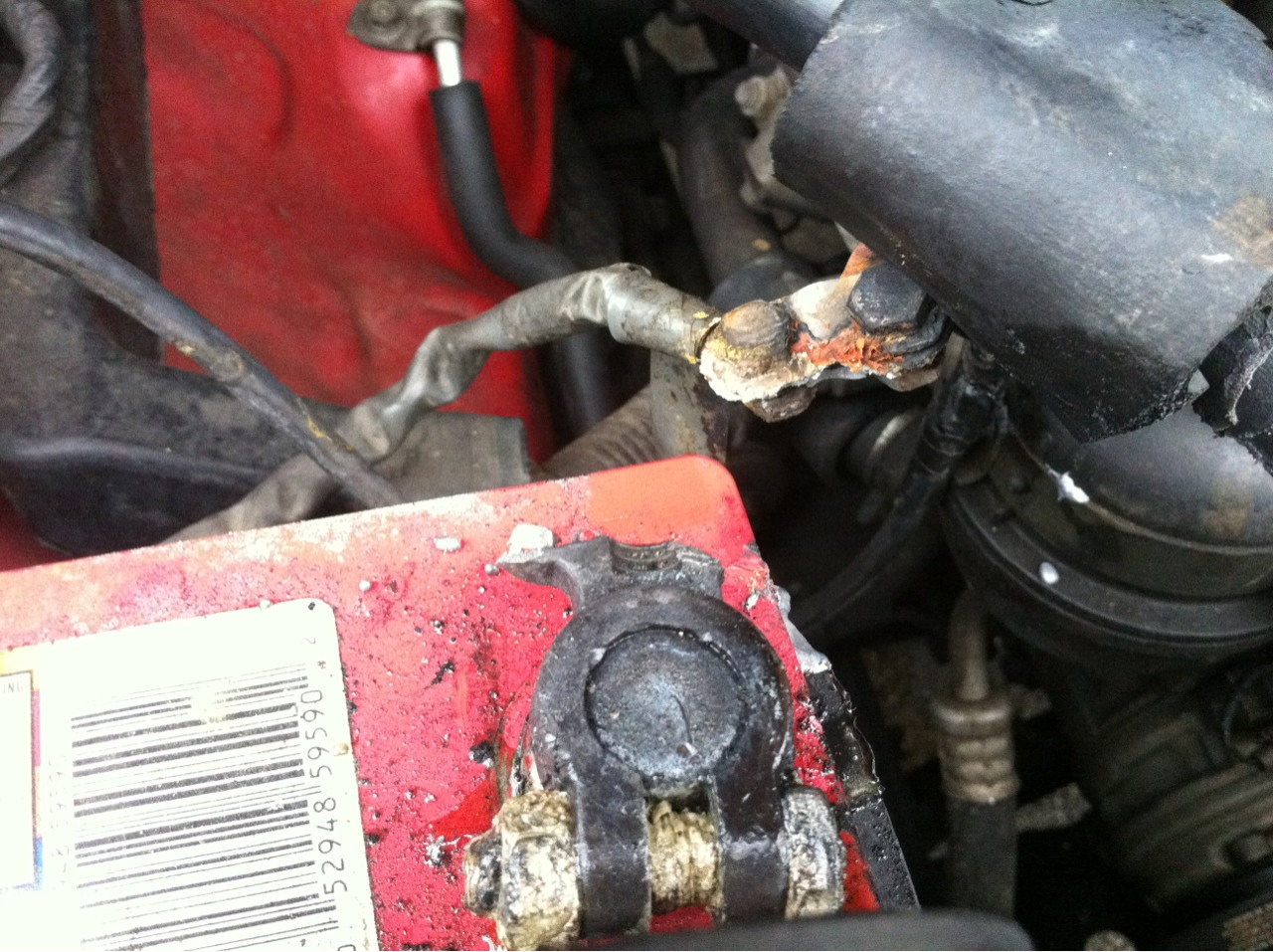

For a fix to get home, I took some bailing wire from my emergency kit to hold the positive cable off the header, making sure the metal wire was not touching the bare exposed wire on the positive cable.  The lug was ruined to the point it would not go back on the positive post of the battery.  Wanting to have a closed starting circuit, I vice gripped the positive cable to the positive post of my battery.  The car started up and I drove home.  I also drove the next day to a car event 55 miles away with my quick fix still in place.  You do what you have to do.
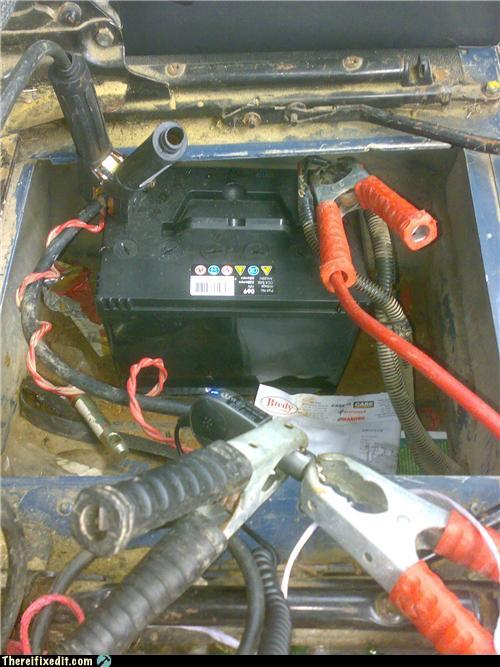
Two years later when driving the ‘57 home from a car show at the Texas State Fair, I found a fellow Dallas Area Classic Chevy club member stranded on the side of the road with his 1955 Chevy Bel Air. I stopped to render aid.  We found that the negative ground-flat cable from the car’s battery shorted out and completed melted.  The club mate was amazed when I said, “Don’t call a tow truck.  I can make an emergency repair to get you home today.  

He had no tools, so I went into my bag of tricks to retrieve my jumper cables.  I put the black jumper cable’s alligator clip on the negative side of the battery and the other end on an bolt on the alternator bracket.  I was afraid that the alligator cable clip would fall off the bolt.  To insure the  alligator clip stayed on the bolt for the drive home, I again enlisted the aid of my more than useful vice grips to hold the alligator clip in place.  He made it home with no further problems.  

I would not recommend to keep this temporary fix and who would?  However, the emergency fix will work and may work for a long time.
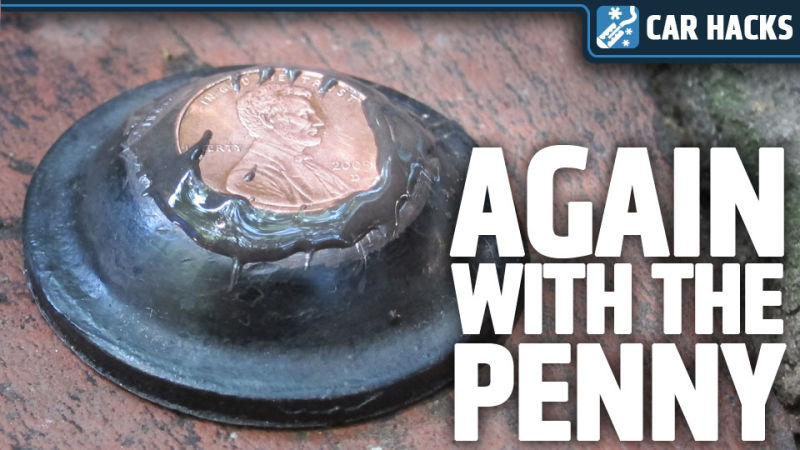

I tell people that I like to do things old school.  I explain, that back in the day hot rodders would make their own parts or use salvage yard parts that may or may not be designed for the car the car the part is being installed upon.  There was no Summit or Danchuck to buy car parts from back in the gool old-bad days.

I just saw a show on TV a few days ago about board racing.  In the 1920’s promoters made race oval race tracks that were from ⅙ to a ½ mile in length from wood planks.  Some of the tracks were made in a circle.  The tracks had up to 60 percent banking in the corners.  Today’s NASCAR tracks with the steepest banking only go up to 33 percent banking.  The board track cars and motorcycles were able to go flat out and never lift the accelerator while driving around the track.  
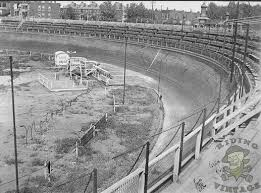

Scary, but the motorcycles they raced had no breaks and the throttle were wired full bore.  To stop the bikes the racers had an engine kill switch, used the engine’s compression and dragged their feet to stop.  And, the bikes would go over 100 mile per hour!  Those guys were crazy and so many of them got killed most cities banned the tracks.

I told you that story to tell you this one.  The TV show had an original board track race car from the 1920’s.  The guys that had built the car put it in together in one weekend at an auto salvage yard with parts taken off of the wrecked cars at hand.  It was a hodge podge of an affair that looked like a midget race car.  This car was an example of “make and break do”.  They took an model T front-straight axle, cut out the middle of the axle to narrow its width.  You think Indy car or NASCAR inspectors would let you drive a car with a cut down front axle welded back together and then race at speeds at over 100 miles per hour?  I think notI

I’m saying you can do these things and get away with them, but do you really want to quick fix or slap something together.  No of course you don’t.  But still, if you don’t have the funds, time, facilities or the tools to make a 1000 point repair and want to keep that classic car running you have to find a happy medium.  

I like to do all my own work on my car and mostly have to out of necessity. My excuse is that I like to be old school.  Unless I win the lottery my car is not going under the professional restorer’s wrench anyway.  I keep driving the ‘57, because I love to and I don’t want or need another hobby car. I fix what is wrong at the moment to get to the next show or event to then just move onto more pressing problems.  I have had and have been restoring my ‘57 for 16 years.  The old girl is far from being restored.  Sadly, I’m having to fix things I have restored 10 years ago.  Maybe there is a quick fix for that problem.
Me Myself and I Classic Auto Repair & Restoration


!!!Support Texas Classic Experience!!!
Did you like the blog?  If you did, the best way to support Texas Classic Experience is to share this post!  Please tell others that you liked this post by sharing it with your car friends by sending them a link to this page.  http://texasclassicchevyexperience.blogspot.com/

Don’t forget to visit and like Texas Classic Experience on FaceBook:  LINK to FaceBook

Texas Classic Chevy Experience will post blogs about: Hot Rods, Chevy, Chevrolet, Drag Racing, Car Shows, Classic Cars, Custom Cars, Muscle Cars, How to Tech. posts, Dallas Area Classic Chevy Club, Texas Muscle Car Challenge, Tri-Five Nationals, Lone Star Chevy Convention, Classic Car lists, Classic car links, Spotters guides, Car Shows, Swap meets, Book reviews and More.

*********************
A Great Tri5 Chat Board

~~~~

Tuesday, January 5, 2016

Do’s and Don’ts for Restoring a Classic Chevy Tri-Five Part 2 of Zen and the Classic Car Restorer


Getting ready to take 3 laps at TMSW


Do’s and Don’ts for Restoring a Classic Chevy Tri-Five
Part 2 of "Zen and the Classic Car Restorer"
   -Alan Arnell


link to Part 1 of Zen and the classic Car Restorer

Do’s
  • Do budget your time and resources.  Know what you are willing to put in for what you want to get out of the project?  Know your desired outcome.
  • Do use proper safety practices and equipment.  Gloves, shoes, eyewear and hearing protection
    My homemade puller
    is very important.  Be mindful of not burning down your house and having cars fall on you.
  • Do get your family on board that you will need some alone time with your car.  Convince them that it is a good thing for them.
  • Do seek assistance or hire out what your are unable or unwilling to do.
  • Do find an stand alone space for work space, tools and storage.  There is nothing more life sucking than having to jockey cars and your stuff around before and after each scheduled work time.  
  • Whenever possible rent those special tools so you will not have to buy them or store them after use.  In my life experience; I use it once, then five years later I spend an hour or two trying to find the tool again when I need it.  The more you use a tool the easier it is to keep up with that tool.  
  • Look online for posted shop and assembly manuals.  Trifive Chevy.com has many of the manuals posted in a dedicated category.
  • Do plan to drive your car as soon a possible.


Don’ts:
  • Don’t stress over money.  If you don’t have it now wait until you do.  Or, take on a step during that time that does not cost all that much.  Sanding is a good cure for that.  
    Restoring a vintage license plate
  • Don’t drink and restor.
  • Don’t (the most important Don’t) let your significant other feel threatened by your new passion.  You need to keep her happy or she may be unhappy with you moved out of your house with only half of your stuff.  Get the whole family involved and enjoying the project too.  If nothing else, your car project will or should induced a joyful calm that will be notice by that special person in your life.  Time alone is never a bad thing when used constructively.


Advice for choosing the right car for you.
  • Find the most complete car you can afford.
  • Look for an undisturbed car.
  • Find a car as close to what you would like to end up with as possible.
    Checking ring gear backlash.
  • Be ready to walk away if you can’t make a fair deal buying the car or if the car is a bigger project that you can complete.
  • Being a dumb ass begins when you are too anxious or over confident.
  • Never buy sight unseen, go look, feel, touch and smell.  If need be, hire a professional to look over the car and have them tell you if the car is a worthwhile project
  • Unfinished projects may be a great deal, many times you may find a treasure chest of parts inside.


The most important Thing.
Have lots of fun driving and mucho quality hands-on restoration and modification fun with your classic car.


I would like to hear from the experience restorers out there with your hard learned do’s and don’ts.


Monday, January 4, 2016

Zen for the Classic Car Restorer

My restoration project of 15 years and still far from being done.


Zen for the Classic Car Restorer
Part 1
-Alan Arnell

So, you are thinking about or have bought a car to restore. Well, my friend you have stepped into the world of the very fun hobby of restoration, repair and modification of classic cars.  Many people have joined the ranks of restoration in the past and many more people will in the future take up the hobby.  Back in the day; we called it Hot Rodding, because you were customizing or enhancing the performance of a car readily available. I believe the hobby has evolved into restoration because of the age and conditions of the cars we crave to work on and own.


Many people still hot rod cars of this century.  Import tuners are one example.  However, from my observance of the hobby not as many young people today are hot rodding their cars.  I have a not so scientific method to determine my opinion.  I am still in the education game.  When I go to high schools, I see few if any Hot Rod cars in the student parking lot.  When I went to high school in the 1970’s, I
Back in the day High School parking lot.
would say a third of the guys with cars hot rodded their cars.  There are many reason for this change.  My favorite is that cars today are just too expensive and complex to make them conducive to hot rodding.  Also with today’s car the automakers basically are making Hot Rods for us.  In the middle of the last century that was not the case.  If you wanted a fast car and or wanted to impress with said car you had to hot rod it to make it that way.  


I like the old cars better for a hobby because I can work on them.  I can use a wrench, bailing wire and elbow grease and fix a car from the ‘50’s to the late ‘70’s.  Systems were mechanical and not electronic or  computerized.  For me anyway that is easier to understand and fix myself.


As I have said in a previous post LINK I believe one reason why so many hobbiest like the old cars is because the relationship you create when you have to maintain, work on and fiddle with a car to keep
I research and learned how to set up a rear differential.
it running.  Today’s cars are are far better for the common person to drive and own.  But on the other side of that equation is we have lost that reverence for our cars that we once had in times past.


Whether you choose to delve into the Classic Car Hobby because you have a hot rodding bucket list that you made for yourself as a young person, like me; or you have a stressful office job and like to have an excuse to relax by working with you hands, again like me and many more reasons classic car restoration can be a self made heaven or a hell.  I will address some thought and words of wisdom to help the young and old alike to best enjoy the hobby.


Why would anyone want to restore a classic car themselves when you can take it to a restoration shop?  My reasons is cost and the pride of that I did it myself.  If you want a 1000 point car to win the big shows with, you will most likely need a professional to complete that type of work.  Many backyard restores do good work but generally not what a professional can.  Here is the rub, those great resto shops are far and few between.  Also, from what I have seen it must be hard to make a profit having
Adding a front sway bar.
a resto shop, since so many close after only a few years.  That is sad, I wish it was not so hard for those fine people.  Those of you that can make a living with a resto shop and produce a honest quality product for a profit, I applaud you, for you are truly great people.


One of my sayings is, “Half the fun of having an old car is driving it and the other half is getting to work on it.”  I’ll just make it simple.  I enjoy working on my 1957 model 150 2-door sedan.  I will tell everyone my projects can be frustrating but mostly fun as well.  I certainly enjoy looking at my completed work.  One reason I think it is fun is because there is relatively little pressure to finish your project on someone else's timeline.  I have worked on a car all weekend long, so I could drive to work on Monday.  Now, that is pressure.


When you begin your search of course you will be looking for a suitable car that fits your dream and desires.  Just remember buying the car to restore is only the start of the financial responsibility you have undertaken.  Most old salts will tell you that when estimating the cost or time required of a
restoration project you should double maybe triple the actual cost and time that you initially estimate.  The project car itself will determine the cost and the time involved in the completion of the restoration.
Replacing front wheel ball bearings. 
Let me take the Tri-Five as an example.  If you want to restore a 1957 Chevy you can buy any part you want from many differents sources.  And, supply and demand makes those parts somewhat less expensive than less popular cars.  You can also save time because you can buy parts already fabricated.  Looking at some of the rare cars that Jay Leno restores, he has to research and construct from raw materials many of the parts he needs.  Don’t let that stop you from doing what you want with with the car you want to restore, just something to think about and be prepared for that necessary part.  I know a guy that restores old Dodges.  For him the hunt for parts and finding them is where he obtains enjoyment.  Others like me, not so much.


I favor being a part time restorer.  I like and am the average home car builder that can only manage part time work while balancing a family, jobs, football season, dog, cat, wife, husband. etc., etc.  That is
New radiator retro bit.
why I call it a hobby.  It is a fun way to kill time.  Is that not what life is, killing time in fun and interesting ways?  


The non professional car restorer may or may not have better that novice ability when starting a project.  However, you will be amazed how much you will learn during a project and how much better your mechanical skills will become after each project.  To become an expert, you should rely on the
Dynamat covering a new floor pan project. 
experience of others for needed insight when your are unsure of your next move.  When I was in high school my dad’s best friend was a master mechanic and stock car builder.  He was my source of information. As I moved away he was not available to me anymore and that hampered me from working on my cars.  But the invention of the internet solve that problem for me.  Thanks Al Gore!


My first try removing
rear axle bearings.
I have found just about everything I wanted to know about fixing and restoring cars with tech articles that car enthusiasts have posted on the internet.   For the suttle but improtant little unknown hacks that must be done to complet a list of steps in a tech article, chat boards like Chevy Talk, and Trifive.com can be more than benificial.  You can also find a load of crap there as well, but if you read between the lines you have a vast amount of experience at your fingertips.


For example:  I could not find seals for my leaking Borg-Warner 4-speed transmission.  I post this fact on Chevy Talk and was give a supplier that I may have not found otherwise.  And, I was changing the axle seals and wheel bearings on the rear end differential of my ‘57.  
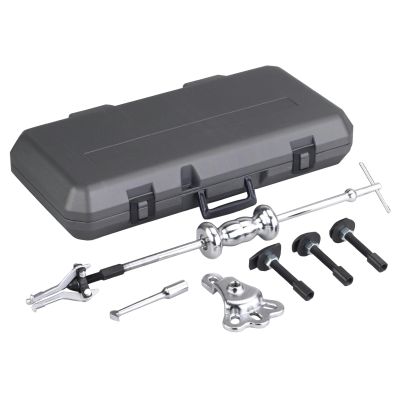
After the first failure, I upgraded to this contraption.


I simply could not get the bearings removed.  I asked for help on Chevy Talk.  I guy who wrote to me said, “Beat out the bearing with a chisel leaving the races in place.  With your MIG welder lay a thin bead around the inside of the bearing races/holders.  The heat from doing so will warp the remain bearing part and you will be able to pull it out.”  You know what?  It worked!  I would have never thought of that fix or hack.  I talked to many local people and none knew of that work around.  


I finally got the bearings out.  See where I used the welder?
In restoration work you will become a Jack-of-all-trades.  As I said before, back in the day you had to fabricate your own or scrounge around wasting many hours hunting for parts.  The hobbiest could not just log onto e-Bay or Danchuck for example to find that part that the local autoparts stores no longer stocks.  Time as well as money will stop you from completing your project.  Why waste hours upon hours hammering out a quarter pannel for your car when you can buy one shaped and ready to go.  Remember sometimes buying prefabricated parts will help you to finish a project.  Again, weigh the pros and cons of buying pre made or making your own parts is something you should consider for what is best for you and your project.


Here is some advice I have learned.  There may be some things you will not be comfortable  with, at first.  Do not let that stop you.  Give it a try.  You have nothing to fear but fear itself.  Learning is a great
deal of the fun of car restoration.  The greatest failure is not to try, because you have talked yourself

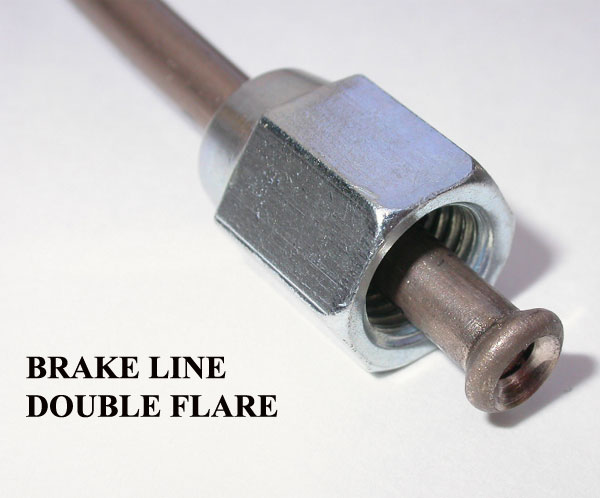
out of trying for fear of failing.  When in doubt practice first on something expendable. For example: an old hood for paint and body, or brake line double flares connections on old removed lines.  When you have created a skill set and knowledge base, then work on that classic car.

While you may not have all the tools or a facility as you see on TV, really all you need is place to work. We may never know how many land speed records were broken by cars made in a one stall detached
garage.  But, I bet there were 100’s.  There is a reason they call them shade tree mechanics.  What you will need however is a proper storage area.  Finding a good-large enough  place to put a disassembled car is alway a challenge.


Time management is the key to a successful restoration.  Take it one step at a time.  Do not fall into the depths of despair after going into a restoration project with an unrealistic idea of the time it will take or the costs involved.  Unlike reality TV where they are making entertainment for people to stick around to watch commercials for product sales, you do not want to set unrealistic objectives or deadlines if you ever want the keep the motivation to finish your quest.


One important thing I like to say about working a restoration of your own is to drive your car as soon as possible.  Way too many times people get involved in something and they pour out their hard earned money, heart and soul into, that sooner or later drags on too long making the hobbyist lose motivation
Lining up to enter the drag races at Lone Star 24.
or interest.  Having classic car experiences other than working alone in a garage will keep up your motivation.  You have to get some fun out of your car for you and your family.  If you do not get that reward, the human condition craves, you may soon despise your car.  Stroke your ego and finish something, then go out and enjoy.


In Texas as well as most parts in the world there is limited amounts of cruising weather.  Plan around this.  Work on the car during the off-cruising times.  When the weather is nice and everyone else is out with their classic car you need to be out there as well.  Who cares what the car looks like?  Just make the car safe and operable then drive it to enjoy what you have completed.  Trust me that is the greatest motivator for that next step to total restoration.

LINK to page 2-